

LPG Price Hike Forces Pakistan’s Rickshaw Drivers to Cut Meals
Rising liquefied petroleum gas (LPG) prices are squeezing the earnings of Pakistan’s rickshaw drivers, forcing low-income families to reduce their daily meals as fuel and living costs continue to climb.
Table of Contents
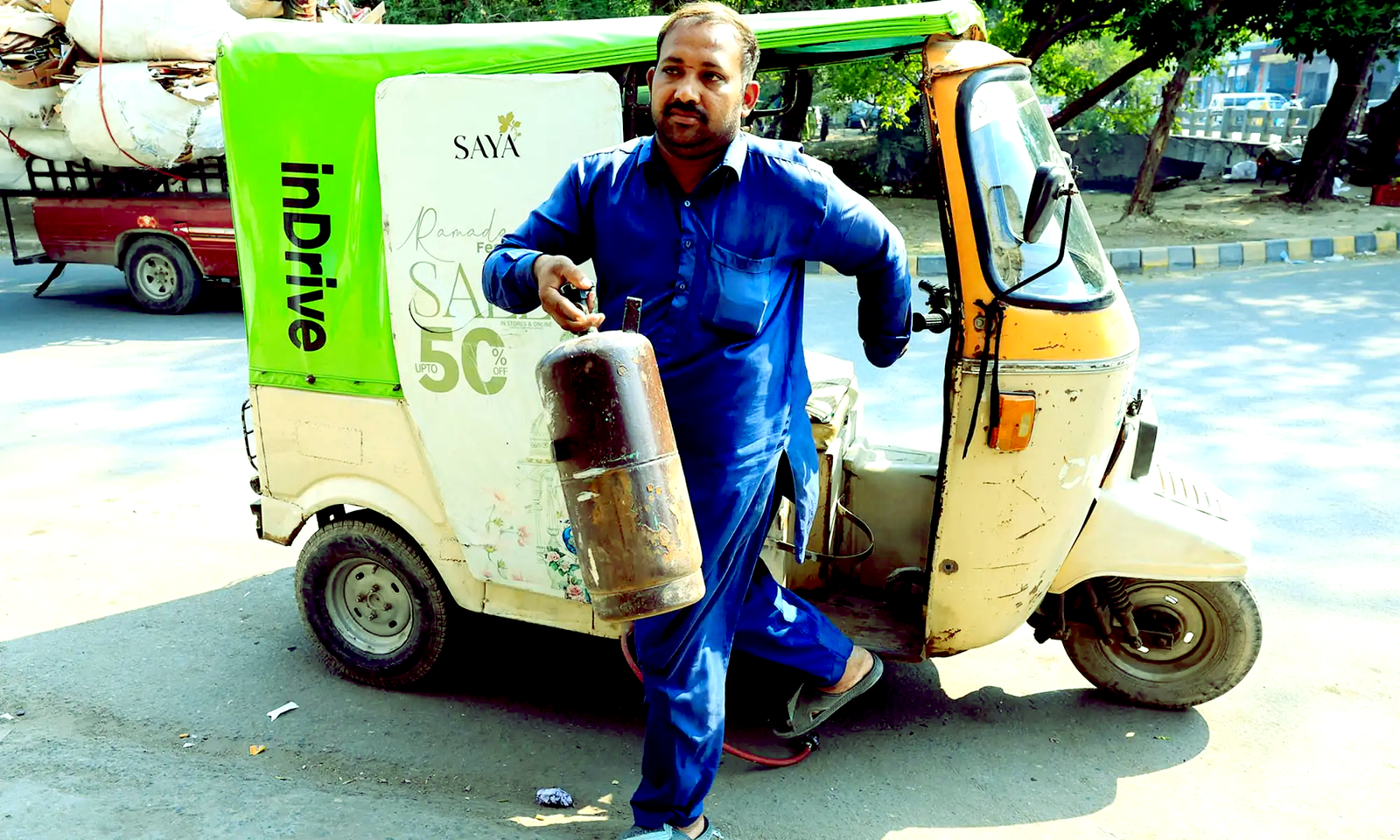
For Rashid Ali, a 33-year-old rickshaw driver in Lahore, earning enough to support his family has become increasingly difficult. After spending 13 years driving a three-wheeled vehicle across the city, he says the sharp increase in LPG prices has severely affected his daily income.
Ali previously earned around Rs1,700 a day, working from early morning until late at night. However, he now struggles to make even Rs800 a day, leaving his family with less money for basic necessities.
His family has consequently reduced its meals to just twice a day.
LPG Price Hike Hits Rickshaw Drivers in Lahore
LPG is widely used by Pakistan’s rickshaw drivers as an alternative vehicle fuel. According to Majeed Ghauri, chairman of the Awami Rickshaw Union, around 70 per cent of the union’s 43,000 auto-rickshaws and nearly 8,000 Qingqi three-wheelers operate on LPG.
Ghauri describes LPG as the “fuel of the poor”, highlighting its importance for transport workers who depend on affordable fuel to earn their daily income.
The increase in LPG prices has placed additional financial pressure on drivers who already face vehicle rental charges, maintenance costs and household expenses.
Iran Border Closures Disrupt LPG Imports
Traders say LPG prices started rising sharply after two Iranian border crossings were closed on October 17, disrupting imports into Pakistan.
One of the crossings reopened approximately a week later, but the disruption had already contributed to significant price increases in the open market.
According to the Pakistan LPG Association, Pakistan imported around 7,000 metric tonnes of LPG daily from Iran before the border closures.
The disruption added to energy supply concerns following the start of the US-Iran war in February, according to the report.
LPG Cylinder Prices Surge in Open Market
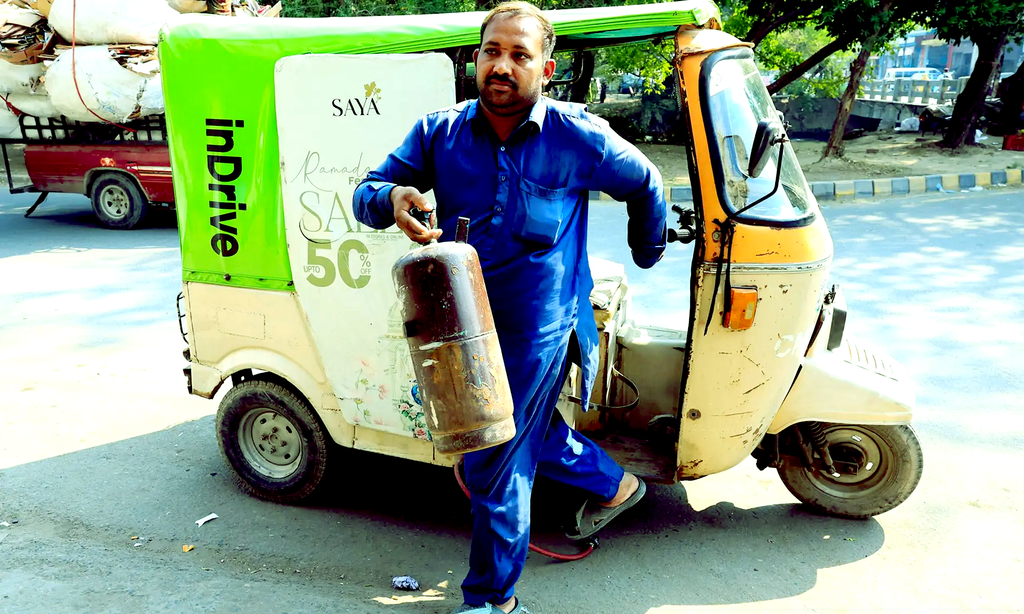
Traders reported that the price of a 12-kilogram LPG cylinder increased by 56 per cent within days of the border closures, reaching Rs7,000 in the open market.
This was equivalent to approximately Rs583 per kilogram, creating further difficulties for households and transport workers dependent on LPG.
For drivers such as Ali, the higher cost of fuel means a larger share of daily earnings is spent simply keeping their vehicles running.
Rickshaw Drivers Face Higher Costs and Lower Fares
Ali pays Rs600 every day to rent his rickshaw and spends around Rs300 to Rs400 each time he refuels. He reportedly needs to refill his vehicle four or five times a day.
In addition to these expenses, he pays Rs11,000 in monthly rent for his home and supports two young children.
However, increasing fares has also become difficult because passengers are reluctant to pay more for transportation.
Ali says passengers sometimes offer only Rs80 to Rs150 for journeys that should cost between Rs200 and Rs250.
Passenger Mohammad Ramzan also described the disagreement over fares, saying he once offered Rs250 for a ride after a driver demanded Rs500. When the driver refused, Ramzan decided to walk away.
The situation illustrates the financial pressure facing both drivers and passengers as transport costs increase.
Inflation Adds to Pakistan’s Cost-of-Living Pressure
Rising LPG prices have added to broader concerns about inflation and household spending in Pakistan.
According to figures cited in the report, inflation reached 9.6 per cent in October. The central bank also raised interest rates to 12 per cent, citing energy and wheat prices.
Petrol had reached a record Rs458 per litre on April 3 and remained around 40 per cent above its pre-war price, according to the report.
Higher energy costs have placed additional pressure on households already struggling to manage food, housing and transportation expenses.
Rickshaw Driver Struggles to Feed His Children
For Ali, the impact of rising fuel prices goes beyond his daily earnings.
Returning home around midday, he said his two sons still needed lunch. He planned to return to work and continue driving until late at night, hoping to earn enough money to bring food home for his children.
His experience reflects the difficulties faced by low-income transport workers who depend on daily earnings to meet their families’ basic needs.
As LPG costs continue to affect operating expenses, rickshaw drivers face an increasingly difficult balance between earning a living, paying for fuel and supporting their households.