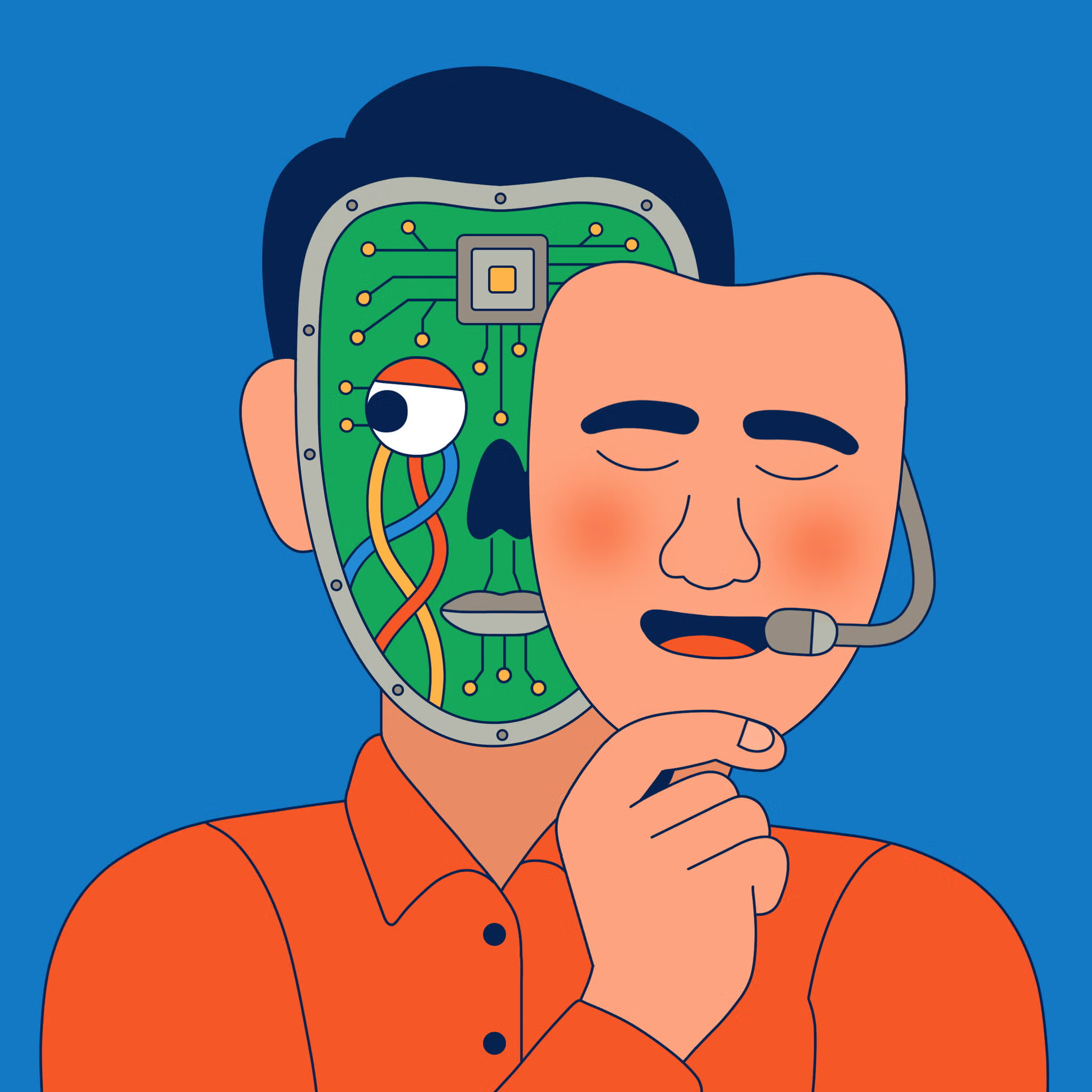
In reality AI has both ‘brain’ and ‘muscle’. Algorithms, software, researchers, engineers and companies comprise its brain. Its muscle consists of electricity, computing infrastructure, minerals, manufacturing capacity and reliable networks. The first phase of global AI competition focused mainly on the brain. As AI becomes more widely used, the muscle is becoming impossible to ignore.
The International Energy Agency expects electricity demand from data centres to more than double by 2030, with AI a major driver. The challenge is not simply producing more power. It is producing reliable electricity supply and expanded transmission networks to accommodate the needs of large data centres. Oil and gas reserves beneath the ground are not the same as electricity delivered to a data centre. Resources become strategic only when they can be converted into dependable infrastructure.
The physical foundations of AI also include copper, aluminium, silicon, and rare-earth materials. Advanced semiconductor technologies depend on specialised materials, while mining and refining remain concentrated in a limited number of countries. The digital economy has not escaped geography! An algorithm can cross a border in milliseconds, but a power plant, mine or factory cannot.
This creates a new geopolitical equation. Countries with the strongest AI research and software ecosystems may still depend on others for energy, minerals and manufacturing. Resource-rich countries, meanwhile, may possess the muscle of the AI economy without the universities, capital, software and semiconductor capabilities needed to turn it into computing power. The long-term advantage may belong to countries that can connect the two.